| Availability: | |
|---|---|
| Quantity: | |
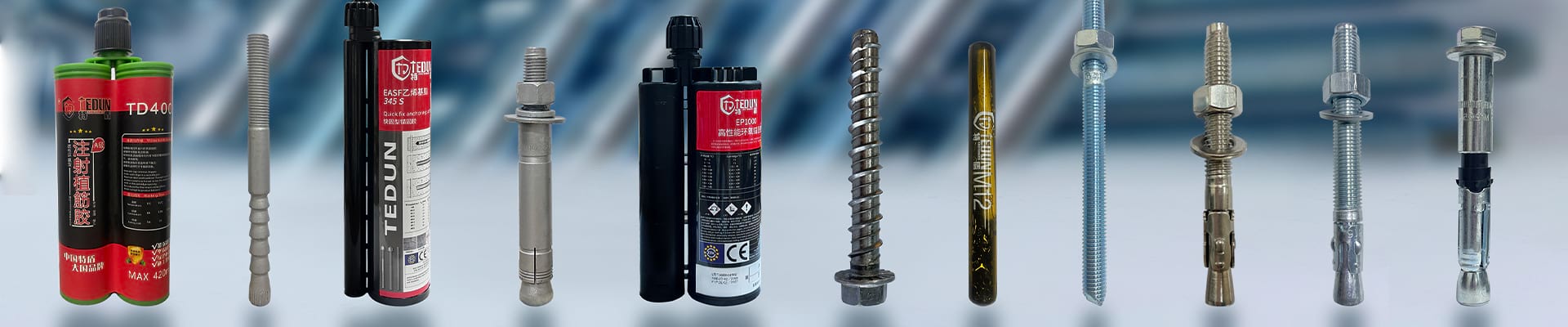
Elevator Anchor Bolts are specialized, high-strength fasteners exclusively engineered to securely anchor critical elevator components—such as guide rails, traction machines, and control cabinets—into the building structure (typically concrete). As the "foundation bolts" of elevator systems, they are an indispensable yet often overlooked safety foundation for elevator installations. Their core roles include reliably transferring immense loads (static loads like equipment weight, dynamic loads from acceleration/deceleration, and vibrations) to the building structure, providing rigid support to maintain component positioning, and preventing catastrophic failures (e.g., guide rail displacement or structural collapse) that threaten elevator safety. For contractors, engineers, and elevator maintenance teams, these anchors are non-negotiable for ensuring long-term operational stability.

Elevator Anchor Bolts are specialized, high-strength fasteners exclusively engineered to securely anchor critical elevator components—such as guide rails, traction machines, and control cabinets—into the building structure (typically concrete). As the "foundation bolts" of elevator systems, they are an indispensable yet often overlooked safety foundation for elevator installations. Their core roles include reliably transferring immense loads (static loads like equipment weight, dynamic loads from acceleration/deceleration, and vibrations) to the building structure, providing rigid support to maintain component positioning, and preventing catastrophic failures (e.g., guide rail displacement or structural collapse) that threaten elevator safety. For contractors, engineers, and elevator maintenance teams, these anchors are non-negotiable for ensuring long-term operational stability.

Seismic Performance & Durability
Our elevator-specific expansion anchors excel in seismic-prone areas, offering robust seismic performance and long-term durability. They feature reliable delayed expansion functionality, making them ideal for installing guide rails, brackets, clamping plates, and landing door devices—critical for withstanding environmental and operational stress.
Rapid Installation & Strong Clamping Force
Thickened sleeves and oversized flat washers enable quick assembly and installation, while delivering exceptional clamping force. This design suits heavy-duty elevator facilities, reducing on-site labor time without compromising stability.
Reliability in Cracked Concrete
Unlike standard anchors, our elevator anchors maintain high load-bearing capacity and safety performance even in cracked concrete—a common scenario in aging buildings or high-traffic elevator shafts. This flexibility eliminates the need for costly concrete repairs before installation.
Zero Expansion Stress & Secure Anchoring
By generating zero expansion stress, the anchors achieve a strong embedded effect via convex engagement within conical holes. This design ensures maximum anchoring reliability, avoiding concrete damage while keeping components firmly fixed.
Seismic Performance & Durability
Our elevator-specific expansion anchors excel in seismic-prone areas, offering robust seismic performance and long-term durability. They feature reliable delayed expansion functionality, making them ideal for installing guide rails, brackets, clamping plates, and landing door devices—critical for withstanding environmental and operational stress.
Rapid Installation & Strong Clamping Force
Thickened sleeves and oversized flat washers enable quick assembly and installation, while delivering exceptional clamping force. This design suits heavy-duty elevator facilities, reducing on-site labor time without compromising stability.
Reliability in Cracked Concrete
Unlike standard anchors, our elevator anchors maintain high load-bearing capacity and safety performance even in cracked concrete—a common scenario in aging buildings or high-traffic elevator shafts. This flexibility eliminates the need for costly concrete repairs before installation.
Zero Expansion Stress & Secure Anchoring
By generating zero expansion stress, the anchors achieve a strong embedded effect via convex engagement within conical holes. This design ensures maximum anchoring reliability, avoiding concrete damage while keeping components firmly fixed.
Our elevator anchor bolts cover a range of models (from M6 to M20) to meet diverse installation needs, with key specifications as follows:
Casing Length: Ranges from 30mm (for M6*50) to 120mm (for M20*200), ensuring compatibility with different concrete thicknesses.
Casing Outer Diameter: Varies from 9.5mm (M6 series) to 31.8mm (M20 series), matching industry-standard drilling tools.
Drill Diameter: Precisely calibrated to the casing (e.g., 9.5mm for M6, 18mm for M12, 26mm for M20), simplifying tool selection.
Drilling Depth: Aligns with casing length (30mm to 120mm) to ensure sufficient embedment.
Effective Burial Depth: Typically 5mm less than drilling depth (e.g., 30-5mm for M6*50), balancing holding power and concrete integrity.
Fixture Maximum Thickness: Ranges from 5mm (M650) to 50mm (M16180), accommodating various elevator component mounting needs.
Popular models include the M8*80 elevator anchor (for light-duty brackets), M12*120 expansion anchor (for guide rails), and M16*180 high-strength anchor (for traction machines).
| Elevator Anchor | |||||||
| Model | Casing Length (mm) | Casing Outer Diameter (mm) | Drill Diameter (mm) | Drilling Depth (mm) | Effective Burial Depth (mm) | Minimum Burial Depth (mm) | Fixture Maximum Thickness (mm) |
| M6*50 | 30 | 9.5 | 9.5 | 30 | 30-5 | 30 | 5 |
| M6*65 | 45 | 10 | 10 | 45 | 45-5 | 45 | 10 |
| M8*65 | 35 | 12 | 12 | 35 | 35-5 | 35 | 10 |
| M8*70 | 35 | 12 | 12 | 35 | 35-5 | 35 | 10 |
| M8*80 | 40 | 12 | 12 | 40 | 40-5 | 40 | 15 |
| M8*90 | 50 | 12 | 12 | 50 | 50-5 | 50 | 15 |
| M10*70 | 40 | 14 | 14 | 35 | 35-5 | 35 | 10 |
| M10*80 | 40 | 14 | 14 | 40 | 40-5 | 40 | 15 |
| M10*95 | 45 | 14 | 14 | 45 | 45-5 | 45 | 15 |
| M10*100 | 50 | 14 | 14 | 50 | 50-5 | 50 | 20 |
| M10*120 | 60 | 14 | 14 | 50 | 50-5 | 50 | 20 |
| M12*100 | 50 | 17.3 | 18 | 50 | 50-5 | 50 | 20 |
| M12*110 | 55 | 17.3 | 18 | 55 | 55-5 | 55 | 20 |
| M12*120 | 60 | 17.3 | 18 | 60 | 60-5 | 60 | 25 |
| M12*130 | 80 | 17.3 | 18 | 80.8 | 80-5 | 80 | 25 |
| M12*150 | 80 | 17.3 | 18 | 80 | 80-5 | 80 | 40 |
| M16*125 | 60 | 21.5 | 22 | 60 | 60-5 | 60 | 25 |
| M16*150 | 80 | 21.5 | 22 | 80 | 80-5 | 80 | 40 |
| M16*180 | 100 | 21.5 | 22 | 100 | 100-5 | 100 | 50 |
| M16*200 | 120 | 21.5 | 22 | 120 | 120-5 | 120 | 50 |
| M20*160 | 80 | 25.5 | 26 | 80 | 80-5 | 80 | 40 |
| M20*200 | 110 | 25.5 | 26 | 110 | 110-5 | 110 | 50 |
| M20*200 | 110 | 31.8 | 33 | 110 | 110-5 | 110 | 50 |
| Elevator Anchor | M6 | M8 | M10 | M12 | M16 | M20 | M24 | |
| Effective Anchoring Depth | Minimum Spacing Value (mm) | 50 | 60 | 65 | 85 | 105 | 115 | 120 |
| Minimum Margin Value (mm) | 60 | 70 | 75 | 100 | 125 | 140 | 150 | |

Our elevator anchor bolts cover a range of models (from M6 to M20) to meet diverse installation needs, with key specifications as follows:
Casing Length: Ranges from 30mm (for M6*50) to 120mm (for M20*200), ensuring compatibility with different concrete thicknesses.
Casing Outer Diameter: Varies from 9.5mm (M6 series) to 31.8mm (M20 series), matching industry-standard drilling tools.
Drill Diameter: Precisely calibrated to the casing (e.g., 9.5mm for M6, 18mm for M12, 26mm for M20), simplifying tool selection.
Drilling Depth: Aligns with casing length (30mm to 120mm) to ensure sufficient embedment.
Effective Burial Depth: Typically 5mm less than drilling depth (e.g., 30-5mm for M6*50), balancing holding power and concrete integrity.
Fixture Maximum Thickness: Ranges from 5mm (M650) to 50mm (M16180), accommodating various elevator component mounting needs.
Popular models include the M8*80 elevator anchor (for light-duty brackets), M12*120 expansion anchor (for guide rails), and M16*180 high-strength anchor (for traction machines).
| Elevator Anchor | |||||||
| Model | Casing Length (mm) | Casing Outer Diameter (mm) | Drill Diameter (mm) | Drilling Depth (mm) | Effective Burial Depth (mm) | Minimum Burial Depth (mm) | Fixture Maximum Thickness (mm) |
| M6*50 | 30 | 9.5 | 9.5 | 30 | 30-5 | 30 | 5 |
| M6*65 | 45 | 10 | 10 | 45 | 45-5 | 45 | 10 |
| M8*65 | 35 | 12 | 12 | 35 | 35-5 | 35 | 10 |
| M8*70 | 35 | 12 | 12 | 35 | 35-5 | 35 | 10 |
| M8*80 | 40 | 12 | 12 | 40 | 40-5 | 40 | 15 |
| M8*90 | 50 | 12 | 12 | 50 | 50-5 | 50 | 15 |
| M10*70 | 40 | 14 | 14 | 35 | 35-5 | 35 | 10 |
| M10*80 | 40 | 14 | 14 | 40 | 40-5 | 40 | 15 |
| M10*95 | 45 | 14 | 14 | 45 | 45-5 | 45 | 15 |
| M10*100 | 50 | 14 | 14 | 50 | 50-5 | 50 | 20 |
| M10*120 | 60 | 14 | 14 | 50 | 50-5 | 50 | 20 |
| M12*100 | 50 | 17.3 | 18 | 50 | 50-5 | 50 | 20 |
| M12*110 | 55 | 17.3 | 18 | 55 | 55-5 | 55 | 20 |
| M12*120 | 60 | 17.3 | 18 | 60 | 60-5 | 60 | 25 |
| M12*130 | 80 | 17.3 | 18 | 80.8 | 80-5 | 80 | 25 |
| M12*150 | 80 | 17.3 | 18 | 80 | 80-5 | 80 | 40 |
| M16*125 | 60 | 21.5 | 22 | 60 | 60-5 | 60 | 25 |
| M16*150 | 80 | 21.5 | 22 | 80 | 80-5 | 80 | 40 |
| M16*180 | 100 | 21.5 | 22 | 100 | 100-5 | 100 | 50 |
| M16*200 | 120 | 21.5 | 22 | 120 | 120-5 | 120 | 50 |
| M20*160 | 80 | 25.5 | 26 | 80 | 80-5 | 80 | 40 |
| M20*200 | 110 | 25.5 | 26 | 110 | 110-5 | 110 | 50 |
| M20*200 | 110 | 31.8 | 33 | 110 | 110-5 | 110 | 50 |
| Elevator Anchor | M6 | M8 | M10 | M12 | M16 | M20 | M24 | |
| Effective Anchoring Depth | Minimum Spacing Value (mm) | 50 | 60 | 65 | 85 | 105 | 115 | 120 |
| Minimum Margin Value (mm) | 60 | 70 | 75 | 100 | 125 | 140 | 150 | |
Secures elevator guide rails to concrete shaft walls or steel frames, bearing lateral forces and vibrations from car/counterweight movement. For curved rail sections and high-speed elevator rail joints, double anchor bolt density is required to disperse impact loads.
Resists motor start-stop torque, gear vibration, and emergency braking impact forces. For top-mounted machines in machine-room-less (MRL) elevators, combined tension-shear anchors are used to prevent overturning.
Critical for avoiding electrical shorts caused by seismic displacement. Our anchors are IBC/EN 1998 compliant (earthquake-certified), ensuring control cabinets stay stable during tremors.
Overspeed Governor Base: Withstands instant impact loads during safety gear activation (anchor failure = safety system failure).
Safety Gear Bracket: Directly absorbs kinetic energy during car arrestment, requiring ETA-certified anchors (highest-grade for safety).
Buffer Base: Absorbs full kinetic energy during car bottoming, with specialized designs to handle oil buffer reaction forces.
Secures landing sill brackets (enduring passenger foot traffic + door operator traction) and door header beams (maintaining vertical alignment to prevent derailment). Closely spaced, high-density anchoring prevents loose sills—an major trip hazard.
Secures elevator guide rails to concrete shaft walls or steel frames, bearing lateral forces and vibrations from car/counterweight movement. For curved rail sections and high-speed elevator rail joints, double anchor bolt density is required to disperse impact loads.
Resists motor start-stop torque, gear vibration, and emergency braking impact forces. For top-mounted machines in machine-room-less (MRL) elevators, combined tension-shear anchors are used to prevent overturning.
Critical for avoiding electrical shorts caused by seismic displacement. Our anchors are IBC/EN 1998 compliant (earthquake-certified), ensuring control cabinets stay stable during tremors.
Overspeed Governor Base: Withstands instant impact loads during safety gear activation (anchor failure = safety system failure).
Safety Gear Bracket: Directly absorbs kinetic energy during car arrestment, requiring ETA-certified anchors (highest-grade for safety).
Buffer Base: Absorbs full kinetic energy during car bottoming, with specialized designs to handle oil buffer reaction forces.
Secures landing sill brackets (enduring passenger foot traffic + door operator traction) and door header beams (maintaining vertical alignment to prevent derailment). Closely spaced, high-density anchoring prevents loose sills—an major trip hazard.
Warranty Service: All elevator anchor bolts come with a 1-year warranty, covering manufacturing defects and performance issues.
Installation Guidance: Our team provides detailed installation manuals and technical support to ensure correct anchor placement (critical for safety).
Customized Solutions: We offer customized elevator anchors for special applications, such as inclined elevators (for complex vector forces) and twin elevator systems (for mid-shaft support beams).
Rapid Inquiry Response: For bulk orders or technical questions, our sales team responds to inquiries within 24 hours to support project timelines.
Warranty Service: All elevator anchor bolts come with a 1-year warranty, covering manufacturing defects and performance issues.
Installation Guidance: Our team provides detailed installation manuals and technical support to ensure correct anchor placement (critical for safety).
Customized Solutions: We offer customized elevator anchors for special applications, such as inclined elevators (for complex vector forces) and twin elevator systems (for mid-shaft support beams).
Rapid Inquiry Response: For bulk orders or technical questions, our sales team responds to inquiries within 24 hours to support project timelines.