


Views: 0 Author: Site Editor Publish Time: 2025-12-03 Origin: Site


Anchor bolts are essential components used in construction and industrial applications to secure objects and structures to concrete foundations. Their primary role is to provide stability and support, ensuring that the attached items remain securely in place under various loads and conditions. At Tedun, we specialize in providing high-quality anchor bolts that meet rigorous international standards, ensuring that every installation is safe and secure. Understanding how to correctly use anchor bolts is crucial for any project, as proper installation directly impacts the strength and durability of the structure.
Before you begin the installation process for anchor bolts, there are a few critical factors to consider to ensure the installation is successful and the anchor bolts will perform as expected.
The first step in the installation process is evaluating the substrate—the concrete foundation where the anchor bolts will be installed. If you’re working with new concrete, it’s important to account for the curing time to ensure the concrete is strong enough to hold the anchor bolts. For existing concrete, the condition of the surface needs to be assessed, including checking for cracks, spalling, or any other signs of wear that could compromise the installation. Ensuring the substrate is in good condition is key to ensuring the anchor bolts will have maximum holding power.
One of the most important factors when selecting the right anchor bolt is understanding the load that the anchor will be subjected to. The type and size of the anchor bolt will depend on the weight of the equipment or structure being secured. Additionally, environmental factors like corrosion, wind, and seismic conditions must be considered when choosing the right material for the anchor bolts. For example, if the installation is in a coastal area with high humidity, using stainless steel or galvanized steel bolts will provide better corrosion resistance.
Selecting the right type of anchor bolt is crucial to the success of your project. There are various types of anchor bolts, such as wedge anchors, sleeve anchors, and chemical anchors, each with its own specific uses and applications. The material of the anchor bolt, whether it be carbon steel, stainless steel, or galvanized steel, must be chosen based on the environmental conditions and load requirements. For outdoor or corrosive environments, stainless steel or galvanized steel is typically recommended for maximum durability.
Once the preparation phase is complete, the actual installation of the anchor bolts begins. The process is relatively straightforward, but each step must be followed carefully to ensure the bolts are installed correctly.
For post-installed anchor bolts, start by drilling holes into the concrete at the correct location. The diameter and depth of the hole should match the specifications of the anchor bolts being used. It's important to clean out any debris, dust, or loose concrete from the hole before inserting the anchor. In the case of cast-in-place anchor bolts, they are embedded directly into the concrete during the pouring phase, so no drilling is necessary.
Once the hole is drilled and cleaned, the next step is inserting the anchor bolt into the hole. If you are using a post-installed anchor bolt, insert the anchor and ensure it is properly aligned. For cast-in-place bolts, ensure that the bolt is correctly positioned before the concrete is poured to avoid misalignment during the curing process.
After the anchor bolt is inserted, it must be tightened to the correct torque specifications. This step is crucial because improper tightening can lead to either a weak connection or damage to the anchor bolt. Make sure to use a torque wrench to achieve the proper tension. It's also important to verify that the anchor bolt is correctly aligned with the structure to ensure optimal performance.
If you are using chemical or adhesive anchor bolts, it’s essential to allow for sufficient curing or waiting time. The adhesive needs time to bond fully to the concrete, ensuring a strong and secure hold. Follow the manufacturer’s instructions for curing time to prevent premature use of the anchor bolt.
Once the installation is complete, it’s important to inspect the anchor bolts to ensure they have been properly installed. Check for any signs of loosening or misalignment and verify that all the bolts meet the required torque specifications. This step is vital to ensuring that the installation is safe and that the anchor bolts will perform correctly under load.
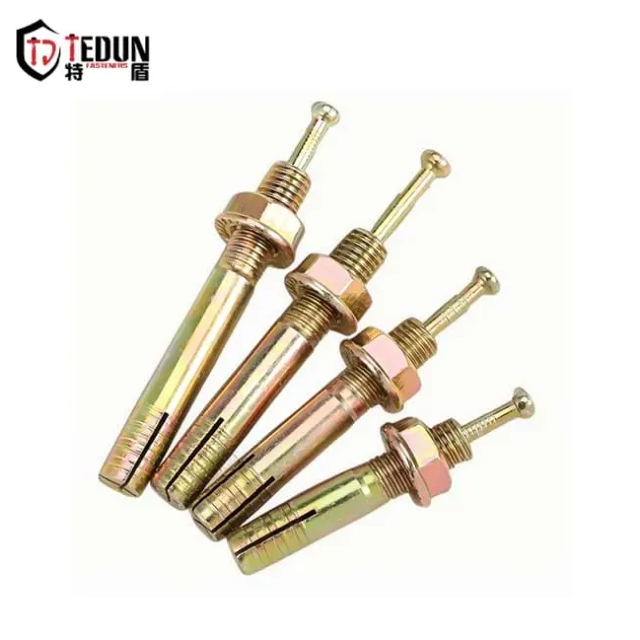
While the installation process for anchor bolts is relatively simple, several common mistakes can affect the performance of the bolts if not avoided.
One of the most common mistakes is choosing the wrong type, size, or length of anchor bolt. For example, using an anchor bolt that is too short or too small for the load requirements can lead to failure. It is essential to choose anchor bolts that are the correct size and type for the specific application to ensure they will perform as expected.
Proper substrate preparation is essential for a successful installation. Failure to clean the hole before installation can result in a poor bond between the anchor and the concrete. Additionally, improper alignment of the anchor bolt during installation can lead to misaligned structures or equipment.
Incorrect torque settings can cause either insufficient holding power or damage to the anchor bolt, making it ineffective. Additionally, placing anchor bolts too close to the edge of the concrete can lead to edge failure. Ensure proper embedment depth and follow the torque specifications to avoid these issues.
Environmental conditions such as freeze/thaw cycles and exposure to harsh chemicals can weaken anchor bolts over time. Choosing the right material and ensuring proper installation in environments prone to corrosion or extreme weather is essential to prevent failure.
Even after installation, anchor bolts require regular maintenance and inspections to ensure they continue to perform as expected.
Inspect anchor bolts periodically for signs of corrosion, loosening, or structural movement. Regular maintenance ensures that any issues are addressed before they become critical. This is particularly important in outdoor or industrial environments where anchor bolts are exposed to harsher conditions.
Anchor bolts should be replaced if they show signs of significant wear or failure, such as cracking, corrosion, or loosening that cannot be remedied by tightening. Timely replacement can prevent structural failure and ensure the safety of the project.
Maintaining proper documentation and records of anchor bolt installations can make future inspections and maintenance much easier. Ensure that all relevant information, such as installation dates, torque settings, and material specifications, is recorded and easily accessible for future reference.
Proper installation and maintenance of anchor bolts are essential for ensuring the long-term success of your project. By understanding how to prepare, install, and maintain anchor bolts, you can avoid costly mistakes and ensure the safety and durability of your structure. At Tedun, we provide high-quality, certified anchor bolts that meet the demands of any project. Our products are designed for superior performance and reliability, offering solutions for both light-duty and heavy-duty applications. Contact us today to learn more about our anchor bolts and how we can support your next project.
1. What is the purpose of anchor bolts?
Anchor bolts are used to secure structures and equipment to concrete, providing stability and strength.
2. How do I know which anchor bolt is right for my project?
The correct anchor bolt depends on the load requirements, environmental conditions, and the type of concrete foundation. A qualified supplier can help you select the right bolt.
3. How do I install anchor bolts properly?
To install anchor bolts, you must assess the substrate, choose the right anchor type, drill and clean the holes, insert the bolts, tighten them to the proper torque, and perform post-installation inspections.
4. How often should anchor bolts be inspected?
Anchor bolts should be inspected regularly for signs of corrosion, loosening, or structural movement to ensure they remain secure and functional.