


Views: 0 Author: Site Editor Publish Time: 2025-11-24 Origin: Site


When working with concrete structures, ensuring that every component is secure is vital. However, there may come a time when you need to remove a concrete anchor bolt. Whether you're replacing old bolts or reworking a structure, it is important to know the correct way to remove these fasteners without damaging the surrounding concrete. Understanding how to properly remove a concrete anchor bolt is crucial to maintaining the integrity of the structure. In this guide, we will walk you through the process step-by-step while also highlighting the advantages of choosing high-quality concrete anchor bolts, such as those manufactured by Tedun, for both ease of removal and enhanced performance.
Concrete anchor bolts are essential components in ensuring the stability and strength of a structure, but there are several reasons why you might need to remove one.
Corrosion: Over time, concrete anchor bolts can deteriorate due to exposure to harsh weather conditions, chemicals, or high humidity. Corrosion weakens the anchor, making it essential to replace it to maintain safety and reliability.
Structural Changes: During renovations or upgrades, you may need to remove existing anchor bolts to reposition equipment or modify the structure.
Relocation: If you're moving machinery or altering the layout of a building, removing and reinstalling anchor bolts may be necessary to accommodate new designs.
Neglecting to remove a damaged anchor can result in severe structural weaknesses. A damaged or improperly installed anchor might not hold the necessary load, leading to potential safety hazards. It could also affect the aesthetic or functionality of the structure, making timely removal a necessary step.
Concrete anchor bolts come in different types, and the method of removal can vary depending on the type of anchor used. Understanding these differences will help you prepare for the removal process.
Expansion or wedge anchors are one of the most common types used in concrete fastening. These anchors expand when inserted, creating a strong grip within the concrete. Removing these types of anchors can be challenging as they are designed to hold tightly. Depending on the installation depth, you may need to drill or cut through the surrounding concrete to loosen the anchor.
Drop-in anchors are used in pre-drilled holes and are known for their ease of installation. These anchors have a sleeve that expands once the bolt is tightened, which makes them secure. Removal of drop-in anchors typically requires a specific tool to compress the sleeve, allowing the bolt to be easily extracted. If the anchor is rusted or damaged, extraction may require additional force or methods like drilling.
Sleeve anchors and epoxy anchors are often used in construction for securing heavy-duty equipment. Sleeve anchors feature a metal sleeve that expands when the bolt is tightened, providing a strong bond. Epoxy anchors use a chemical bond to hold the anchor in place. Removing these types of anchors can be more difficult due to their high strength. You may need to drill into the epoxy or use cutting tools to remove the bolt.
Each type of anchor presents its own set of challenges. Generally, expansion anchors are more difficult to remove than drop-in anchors due to their tight grip on the concrete. Sleeve and epoxy anchors tend to be even more challenging to extract because of their robust and chemically bonded nature. Therefore, it is important to assess the type of anchor before proceeding with the removal process.
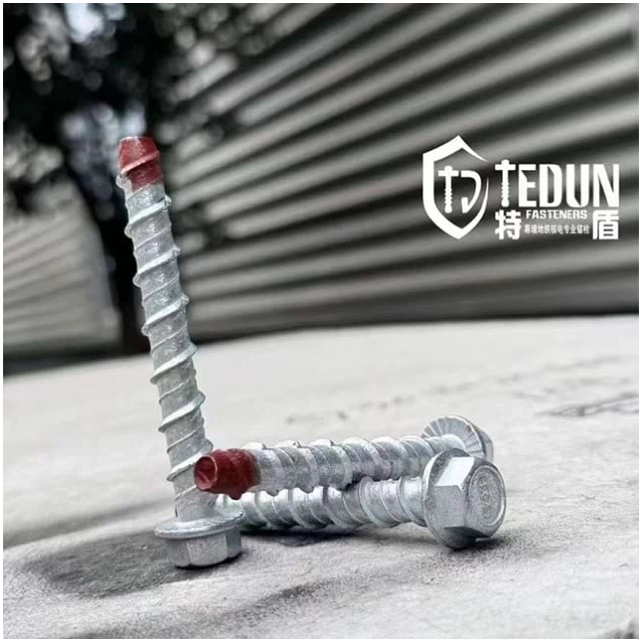
Now that you understand the different types of anchors, let's take a look at the general process of removing a concrete anchor bolt.
Before beginning any removal process, it is crucial to prepare the right tools. The necessary tools may include:
Drill and drill bits
Cutting tools
Pry bar or hammer
Protective equipment
Ensure that the surrounding area is clear of debris and that you have a safe, controlled environment in which to work.
In some cases, it may be necessary to cut the bolt flush with the surface. This is often the case when the bolt has rusted or been damaged. Cutting through the bolt can make it easier to remove the remaining piece. However, if you need to extract the entire bolt, you will need to use additional tools like a pry bar or specialized extraction tools to carefully pull the bolt out.
If the anchor is particularly difficult to remove, drilling around the anchor or using a hammering technique may help. Drilling into the concrete around the anchor will allow you to weaken its grip. In some cases, using a hammer to break the surrounding concrete may help loosen the anchor. If you're dealing with a drop-in anchor, you might be able to compress the sleeve to release the bolt.
Once the anchor has been removed, you may be left with a hole in the concrete that needs to be addressed.
If the hole created by the removed anchor is small, you can fill it with concrete patching material. Make sure to smooth the surface and ensure that the patching material has fully set before proceeding. This step is essential to maintain the structural integrity of the concrete.
When selecting a new anchor, it’s important to choose one that is appropriate for the task. Factors to consider include the embedment depth (how deep the anchor needs to go in the concrete) and corrosion resistance (depending on the environmental conditions). Tedun’s concrete anchor bolts offer superior corrosion resistance and are designed for easy installation, making them a great choice for replacement in demanding environments.
Selecting the right concrete anchor bolt ensures not only the stability of your structure but also makes future maintenance easier.
Choosing high-quality anchor bolts made from stainless steel or hot-dipped galvanized materials ensures longevity and resistance to corrosion, which is essential for installations exposed to harsh weather conditions.
Make sure that the anchors you select meet industry standards. Tedun’s concrete anchor bolts are certified with CE and ISO standards, ensuring that they meet the highest quality and safety requirements for both residential and commercial construction projects.
Regular inspections and proper installation can help extend the life of your anchor bolts. Ensuring that the anchor is not over-tightened and checking for any signs of wear or corrosion can prevent future problems and make removal easier when the time comes.
Properly removing a concrete anchor bolt is essential for maintaining the integrity of your structure. Whether you are removing an anchor due to corrosion, structural changes, or relocation, following the correct removal steps will help prevent damage to the surrounding concrete. Additionally, choosing high-quality concrete anchor bolts for future installations can make removal easier and extend the life of your fasteners. Tedun’s high-performance concrete anchor bolts are designed with ease of installation and long-term reliability in mind.
For more information or to place an order, feel free to contact us today.
How do I know if my concrete anchor bolt needs to be replaced?
Signs of wear, corrosion, or damage are indications that your concrete anchor bolt may need to be replaced to maintain structural integrity.
Can I remove a concrete anchor bolt myself?
Yes, with the proper tools and safety measures, you can remove a concrete anchor bolt yourself. However, difficult anchors may require professional assistance.
What materials are best for concrete anchor bolts?
Stainless steel and hot-dip galvanized materials are ideal for ensuring durability and corrosion resistance.
What is the best method for removing a stubborn anchor bolt?
For difficult-to-remove bolts, drilling around the anchor or using a hammer to break the surrounding concrete can help. Alternatively, specialized extraction tools may be needed.