


Views: 0 Author: Site Editor Publish Time: 2025-11-26 Origin: Site


Installing a concrete anchor bolt is an essential process in ensuring the structural integrity of concrete and masonry structures. Whether you're securing machinery, equipment, or fixtures, using the right anchor bolts and following the correct installation procedures is critical. This guide will walk you through the installation process of concrete anchor bolts and provide useful insights into selecting the right type for your application. It also highlights the advantages of using high-quality concrete anchor bolts from Tedun, a trusted manufacturer in the industry, known for its durable and certified products.
Before diving into the installation process, it's important to understand the purpose and function of a concrete anchor bolt.
Concrete anchor bolts are designed to secure objects to concrete or masonry substrates. Their primary function is to provide a strong and reliable attachment that can withstand both static and dynamic loads. Whether for securing structural components or attaching machinery, these bolts form the critical link between the fixture and the foundation.
The installation of anchor bolts requires careful attention to the embedment depth, the spacing between anchors, and the condition of the substrate. The embedment depth determines how far the bolt needs to go into the concrete to provide the necessary hold. Spacing is equally important to ensure that each anchor performs optimally without causing stress on the surrounding concrete. Finally, the condition of the concrete or masonry, including its strength and any possible cracks or defects, must be assessed before installation. Proper assessment and preparation will ensure the longevity and effectiveness of the anchors.
Proper installation begins with thorough preparation. Before starting, ensure you follow these key steps.
The first step in the installation process is evaluating the substrate to which the anchor will be fixed. Solid concrete provides the best holding power, but masonry, such as brick or stone, may require special consideration. Additionally, the distance from the edges of the concrete or masonry is important to ensure the bolt does not cause cracking or failure. Make sure that the surface is clean, dry, and free from any debris that could interfere with the bolt's effectiveness.
The load that the anchor will bear is another crucial factor in selecting the right anchor bolt. Light-duty applications might only require a small wedge or drop-in anchor, while heavy-duty applications demand high-strength wedge anchors or sleeve anchors. By calculating the expected load and considering the material of the fixture or equipment to be installed, you can choose the correct type of anchor for the job.
When selecting the appropriate concrete anchor, it’s also important to consider the environment in which it will be used. Outdoor environments exposed to harsh weather conditions, chemicals, or moisture will require corrosion-resistant materials, such as galvanized or stainless steel anchors. Indoor applications may not require such extensive corrosion protection but should still consider the environmental factors at play, such as temperature fluctuations and humidity.
Now that you’ve prepared the site, it's time to follow the step-by-step process to install your concrete anchor bolt.
The first step in the installation process is drilling the hole into the concrete or masonry. Select the correct drill bit size based on the anchor bolt's diameter. It’s important to drill to the correct depth, as insufficient depth will prevent the anchor from fully engaging. After drilling, thoroughly clean the hole to remove dust and debris, which can interfere with the anchor’s grip and effectiveness.
Next, place the appropriate anchor into the drilled hole. There are several types of anchors, including drop-in anchors, wedge anchors, and sleeve anchors. Drop-in anchors are best for light-duty applications, while wedge and sleeve anchors are better suited for heavy-duty applications. Each anchor type has a specific installation method, so make sure to follow the manufacturer's instructions carefully.
Once the anchor is in place, it’s time to insert the bolt and tighten it. Use a torque wrench to ensure that the bolt is tightened to the manufacturer’s specified torque. Over-tightening can damage the anchor or the surrounding concrete, while under-tightening may cause the fixture to become loose over time. Always verify the secure hold of the anchor by testing it to ensure that it can withstand the applied load.
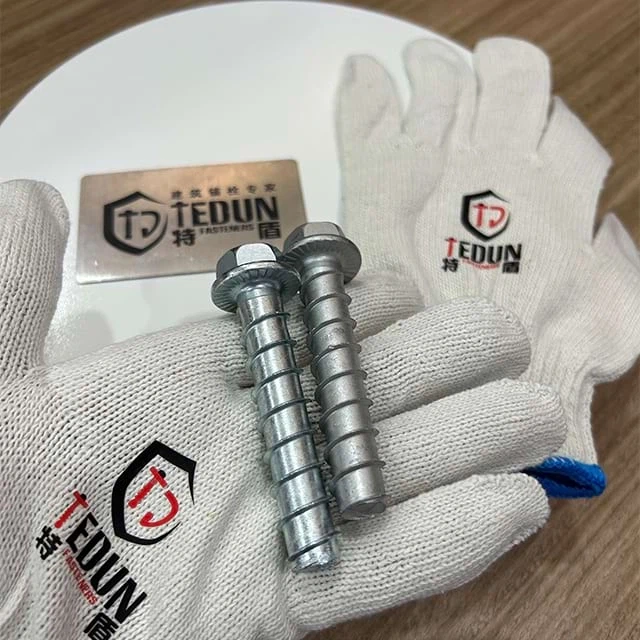
While installing concrete anchor bolts seems straightforward, there are several common mistakes that can compromise the installation. Avoid these pitfalls to ensure a successful installation.
One of the most common mistakes is choosing the wrong type of anchor for the application. Always consider the load requirements, environmental factors, and substrate type when selecting an anchor. Using a light-duty anchor for a heavy load can result in failure.
Another common mistake is inadequate embedment depth or improper spacing between anchors. If the anchors are placed too close to the edges or are not embedded deep enough, they may not provide the required holding power and could lead to failure. Always follow the manufacturer’s guidelines for embedment depth and spacing to ensure proper performance.
Failing to clean the hole properly before inserting the anchor can prevent the anchor from engaging fully. Additionally, misalignment of the anchor can lead to uneven pressure distribution and poor performance. Over-tightening the bolt can also cause damage to the anchor or concrete, reducing the effectiveness of the anchor. Always clean the hole thoroughly, align the anchor correctly, and tighten the bolt according to the specified torque.
Choosing a high-quality anchor bolt from a reliable manufacturer is essential for ensuring the safety and durability of your installation.
Quality anchors are manufactured according to strict standards to ensure performance and safety. Tedun’s concrete anchor bolts are certified with CE and ISO standards, guaranteeing that they meet the highest quality and safety requirements. These certifications provide assurance that the products have passed rigorous testing and are suitable for use in demanding applications.
Tedun’s concrete anchor bolts offer superior holding power, ensuring that your installations remain secure even under heavy loads. Additionally, our products are made from materials that provide excellent corrosion resistance, ensuring that they perform reliably even in harsh environments. With competitive pricing, Tedun offers great value for money, making our products the ideal choice for both small and large-scale projects.
At Tedun, we are committed to supporting our customers throughout the installation process. We offer detailed installation guidelines and technical support to help you achieve the best results with our anchor bolts. Our after-sales support ensures that you have the resources you need to maintain the integrity of your installations.
The installation of concrete anchor bolts is a critical step in ensuring the stability and safety of your structure. By following the correct installation process and selecting high-quality concrete anchor bolts that meet industry standards, you can ensure long-lasting performance and minimize the risk of failure. Tedun’s concrete anchor bolts offer unmatched durability, corrosion resistance, and value for money, making them the perfect choice for your fastening needs.
For more information or to place an order, feel free to contact us today.
What factors should I consider when choosing a concrete anchor bolt?
Consider the load requirements, environmental factors (corrosion resistance), and substrate conditions when selecting the right anchor bolt for your project.
How do I know if my concrete anchor bolt is installed correctly?
Ensure the anchor is fully embedded, aligned properly, and tightened to the specified torque. Test the installation by checking the anchor's hold.
Can I use the same type of anchor bolt for different materials?
Different materials require different types of anchor bolts. Ensure you choose the right anchor for the material you are fastening to.
How do I prevent corrosion in concrete anchor bolts?
Select anchors made from corrosion-resistant materials such as stainless steel or hot-dip galvanized steel, especially for outdoor or high-moisture environments. Regular maintenance can also help extend the life of the anchors.