


Views: 0 Author: Site Editor Publish Time: 2025-12-08 Origin: Site


Channel steel is an essential component in a variety of industrial and construction applications, known for its impressive structural strength and versatility. As a supplier specializing in channel steel, Tedun Fasteners has been serving clients in the construction and manufacturing sectors since 2015. We understand the importance of choosing materials that meet high-strength requirements for different structural needs. In this article, we will delve into the strength of channel steel, its key characteristics, and why this material is often the go-to choice for many construction projects. By understanding the strengths of channel steel, you’ll be able to better assess how it fits into your next project.
When talking about channel steel, “strength” refers to a material's ability to withstand forces without deforming or failing. The strength of steel is typically defined by several key factors, including yield strength, tensile strength, and bending resistance.
Yield strength is the amount of stress at which a material begins to deform permanently. For structural steel, the yield strength generally ranges from 250 MPa to 450 MPa, depending on the type of steel used and its grade. On the other hand, tensile strength refers to the maximum stress a material can endure before it breaks. Channel steel, used for load-bearing applications, is often designed to resist both tensile and compressive forces.
Another essential factor is bending resistance. Because of its "C" shape, channel steel has inherent bending strength, which makes it an ideal choice for supporting beams and structural frames in buildings. The wide flanges and narrow web of the channel help in resisting bending and twisting forces, ensuring the stability of structures.
The unique shape of channel steel, with its open section, plays a crucial role in its strength. The C shape provides effective distribution of stress across its length, making it especially suitable for medium-load applications. The geometry of the section (height, flange width, and thickness) influences the material's overall bending resistance. Larger sections, with thicker flanges and webs, are typically used for heavier loads, while smaller sections are ideal for lighter applications.
While channel steel is known for its overall strength, several factors can influence its performance and load-bearing capacity.
The strength of channel steel varies significantly depending on the steel grade and manufacturing method. For instance, mild steel grades (like ASTM A36) offer decent strength for general construction purposes, while higher-strength grades (such as ASTM A572 or A992) are used in applications requiring increased load-bearing capabilities.
As with many structural materials, the strength of channel steel is directly tied to its size and geometry. Larger sections, with wider flanges and thicker webs, can carry more weight without deforming. Choosing the right size depends on the specific requirements of the project, including load, span, and design constraints.
Channel steel can be produced through various methods, including hot rolling and cold forming. Hot-rolled channel steel is typically stronger, as the high-temperature process refines the material’s grain structure. Cold-formed sections, on the other hand, are often used for lighter applications and are generally more cost-effective. The manufacturing method affects not only the strength but also the dimensional accuracy and surface finish of the channel.
Channel steel is often exposed to various environmental conditions that can impact its strength over time. For instance, if used in outdoor environments or in areas prone to high humidity or corrosion, galvanized or stainless channel steel may be more suitable. These variations of channel steel are designed to withstand corrosion and ensure long-term durability. In highly corrosive environments, stainless steel (with higher chromium content) offers superior resistance compared to mild or carbon steel.
The way channel steel is installed and connected also affects its strength. Improper connections or insufficient supports can significantly reduce the material’s effectiveness. Bolted connections, welded joints, and fasteners all play a critical role in ensuring the steel’s overall load-bearing capacity is maintained throughout the life of the structure.
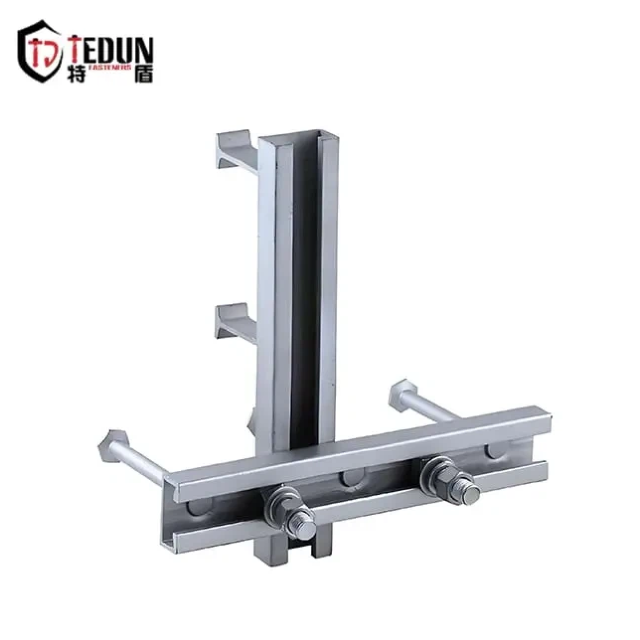
In practical terms, channel steel is widely used in applications that require substantial strength but not necessarily the extreme load-bearing capacities of I-beams or solid structural steel. For example, channel steel can be used as support beams in industrial buildings, frame structures, or even in shelving systems, where strength and stability are crucial but weight and cost need to be optimized.
A standard channel steel section with dimensions of 6 inches by 3 inches and a thickness of 0.25 inches can typically support loads ranging from 5,000 to 10,000 pounds over moderate spans, depending on the material grade and environmental factors. This makes channel steel ideal for medium-duty structural applications, such as frames in commercial buildings, warehouses, and bridges.
At Tedun Fasteners, we specialize in producing high-quality channel steel designed for a wide range of structural applications. With our years of experience in the industry, we offer custom sizes and specifications to meet the unique needs of our clients.
Our products are made from the finest steel grades and undergo strict quality control processes to ensure durability and high performance. We provide channel steel solutions that are not only strong but also cost-effective. Whether you are looking for materials for residential construction, large commercial projects, or industrial frames, Tedun Fasteners has the expertise and the capacity to deliver the right solution.
Choosing the correct channel steel for your project involves understanding the specific requirements of your application. A simple checklist can guide you through the selection process:
Define the load and span – How much weight does the channel need to support, and over what distance?
Select material grade – Choose a higher-grade steel for applications requiring additional strength.
Consider environmental conditions – If your structure will be exposed to weather, consider galvanized or stainless options.
Review connection methods – Determine whether welding, bolting, or other forms of connection will be used.
Consult with a supplier – Work with an experienced supplier like Tedun Fasteners to ensure that your selection meets both strength and cost-efficiency requirements.
For channel steel to perform reliably over time, it’s crucial to inspect and maintain it regularly. Proper installation and periodic checks for signs of corrosion, deformation, or wear are essential to ensure continued strength and safety.
In outdoor environments, galvanized or stainless steel should be used to prevent corrosion. Additionally, regular maintenance, such as cleaning and painting, can help extend the life of the material and maintain its strength over the years. Overloading or improper use can reduce the structural integrity of the channel, so it’s important to adhere to recommended usage guidelines.
The strength of channel steel lies in its ability to resist bending, twisting, and deformation under stress. By understanding the factors that influence its strength, such as material grade, section size, and environmental conditions, you can choose the right channel steel for your specific needs. At Tedun Fasteners, we provide a wide range of channel steel solutions tailored to meet the requirements of your projects, ensuring strength, reliability, and cost-effectiveness. If you are looking for high-quality channel steel, don’t hesitate to contact us for more information or a quote.
What is the difference between hot-rolled and cold-formed channel steel?
Hot-rolled channel steel is stronger and better suited for heavy-duty applications, while cold-formed channel steel is often used for lighter, cost-effective applications.
Can channel steel be used in outdoor environments?
Yes, but galvanized or stainless channel steel is recommended for outdoor applications to prevent corrosion.
How do I calculate the strength of channel steel for my project?
The strength of channel steel depends on factors like material grade, section size, and span. A structural engineer can help determine the right size for your project.
What are the main advantages of using channel steel over other structural materials?
Channel steel is cost-effective, easy to work with, and offers excellent bending resistance, making it suitable for a wide range of structural applications.